
Jun
If you’ve ever dreamed of buying brand-name footwear at a fraction of retail price, shoe liquidation pallets might be exactly what you’ve been looking for. Whether you’re a reseller, a small business owner, or simply someone who loves a great deal, understanding how liquidation pallets work can open up a world of opportunity.
What Are Shoe Liquidation Pallets?
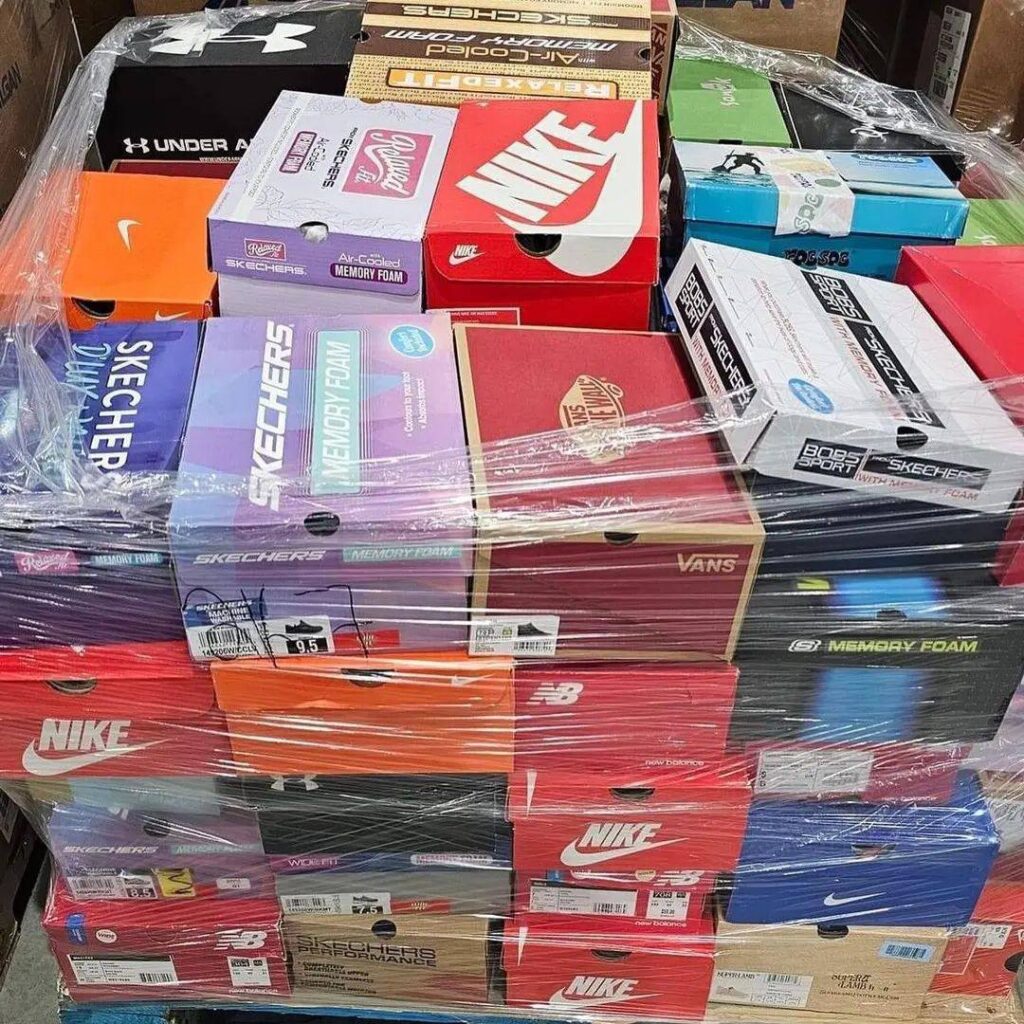
Shoe liquidation pallets are bulk lots of footwear sold by retailers, warehouses, or manufacturers looking to clear out excess inventory. These shoes may be customer returns, overstock, shelf pulls, or discontinued styles. Major retailers like department stores and big-box chains regularly offload merchandise this way rather than holding unsold goods in their warehouses indefinitely.
Why People Buy Them
The appeal is straightforward you get a large quantity of shoes at a deeply discounted cost per unit. A pallet might contain anywhere from 50 to 200 pairs, often including recognizable brands. Resellers who know their market can flip these shoes on platforms like eBay, Facebook Marketplace, or at flea markets for a solid profit margin.
Beyond reselling, some buyers purchase pallets to stock small boutique shops or even donate footwear to community organizations. The versatility of what you can do with a pallet makes it attractive to a wide range of buyers.
What to Watch Out For
Not every pallet is a goldmine. Quality can vary significantly. Customer returns, for instance, may include shoes with scuffs, missing laces, or mismatched sizes. Before committing to a purchase, always ask the liquidation company for a manifest a detailed list of what’s included. Reputable suppliers will provide this without hesitation.
Also consider the condition grades. Most liquidators categorize pallets as Grade A (like new), Grade B (light wear), or Grade C (heavily worn or damaged). Knowing the grade before buying protects your investment.
Where to Buy
Trusted liquidation platforms such as Pallet flow, Direct Liquidation, and BULQ connect buyers with vetted suppliers. Local liquidation warehouses are another solid option, as they let you inspect merchandise in person before purchasing.
