
Jun
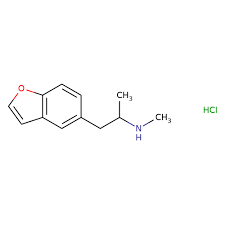
In the world of pharmacological research, few categories generate as much discussion and caution as synthetic entactogens. 5-MAPB, or 5-(2-methylaminopropyl) benzofuran, is one such compound that has drawn scientific interest in recent years, primarily because of its structural relationship to MDMA and its potential implications for neuroscience research.
What Is 5-MAPB?
5-MAPB is a synthetic compound belonging to the benzofuran class of chemicals. It shares structural similarities with MDMA, which is why researchers study it as part of broader investigations into serotonergic and dopaminergic systems in the brain. It was first identified in the early 2010s as part of a wave of novel psychoactive substances being catalogued by forensic and pharmacological researchers.
How Researchers Classify It
Scientifically, 5-MAPB is classified as a triple monoamine reuptake inhibitor and releaser, meaning it interacts with serotonin, dopamine, and norepinephrine transporters. This pharmacological profile makes it useful as a reference compound when studying how these neurotransmitter systems function and how disruptions to them may relate to conditions like depression, PTSD, and anxiety disorders.
Legal Status
5-MAPB is a controlled or scheduled substance in numerous countries, including the United Kingdom, the United States, and across much of Europe. Its legal status as a research chemical means it is restricted to licensed laboratory settings and is not approved for human consumption anywhere in the world. Possession or distribution outside of authorized research contexts carries serious legal consequences in most jurisdictions.
Why It Matters to Science
Compounds like 5-MAPB help researchers build a broader map of how benzofuran-based molecules interact with the human brain. Understanding the structure-activity relationships of these compounds contributes to the development of safer, more targeted medications for neurological and psychiatric conditions. It also helps forensic scientists identify and classify new substances as they emerge.
The Risks of Uncontrolled Exposure
Outside of controlled laboratory environments, the safety profile of 5-MAPB in humans is largely unknown. The absence of clinical trials means there is no established safe dosage, no understanding of long-term effects, and no antidote in cases of adverse reactions. Forensic case reports have linked exposure to cardiovascular stress and hyperthermia.
